
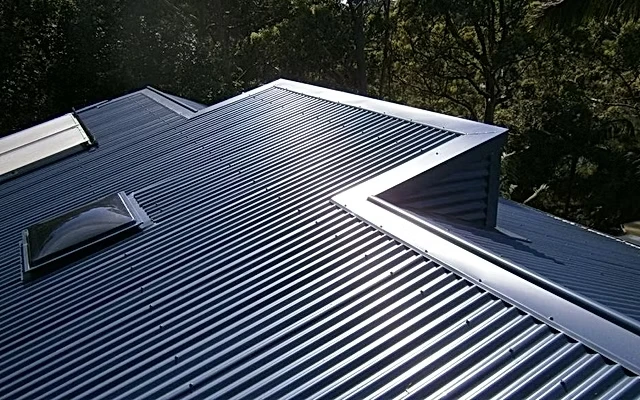
Let’s be honest — nothing ruins a good Sydney afternoon quite like the sky turning the colour of a bruised avocado, followed by hail the size of frozen peas smashing into your Colorbond. One minute you’re pegging out the washing, the next you’re standing at the window watching your gutter do an impression of Niagara Falls.
If you’ve just lived through a storm and you’re now staring up at your roof wondering whether that’s a missing tile or just a trick of the light — take a breath. You’re not the only Sydneysider dealing with this today, and you’re definitely not the first. Between the summer hailstorms rolling off the escarpment and the wild wind gusts that seem to specifically target loose ridge caps, storm damage is basically a rite of passage for homeowners from the Hills District to the Eastern Suburbs.
This guide walks through exactly what to do in the hours and days after a storm hits your roof — what’s safe, what’s urgent, what your insurer actually needs, and when it’s time to stop Googling and start dialling. We’re Top View Roofing, and if there’s one thing eight-plus years in Sydney roofs has taught us, it’s that the homeowners who come out of storm season with the least stress are the ones who act fast but don’t panic.
First Things First: Don’t Play Hero on a Wet Roof
We get it — the urge to grab a ladder and go inspect the damage yourself is strong. Resist it. A storm-affected roof is one of the most dangerous places in your entire property right now. Tiles can be cracked but still holding their position (until your body weight changes that), surfaces are slick, and if there’s been any lightning activity, electrical hazards near guttering and downpipes are a real risk too.
Do your first inspection from the ground. Walk the perimeter of the house with your phone camera zoomed in, or grab a pair of binoculars if you’re fancy. You’re looking for:
- Tiles that are cracked, lifted, slipped out of line, or missing altogether
- Bent, buckled, or lifted sheets if you’ve got a metal roof
- Damaged ridge capping along the peak
- Branches, leaves, or debris sitting where they shouldn’t be
- Sagging or overflowing gutters
- Anything shiny and metallic lying in the garden that probably fell off your roof
Then head back inside and check your ceilings, cornices, and any manhole access to the roof cavity for water stains, bubbling paint, or that unmistakable damp-patch smell. If you can see daylight poking through anywhere up there, that’s your answer.
Stop the Bleeding (Literally, If It’s Raining Indoors)
If water’s already coming through, the priority shifts from “assess” to “contain.” Move furniture, electronics, and anything with sentimental value out of the drip zone. Buckets and towels are your best mates here. If your ceiling is bulging with trapped water, a small controlled puncture with a screwdriver can relieve the pressure and stop a much bigger, messier collapse — but honestly, if you’re not confident doing that yourself, it’s one of the many reasons it pays to have someone from our team on the phone rather than working it out solo at 11pm.
This is also the point where a lot of Sydney homes discover their guttering wasn’t quite up to the job. Overflowing gutters during a storm are usually a sign of blockage or damage rather than just “a lot of rain,” and it’s worth having a proper look at your guttering once the weather clears — because a gutter that can’t move water away from your home is basically inviting round two.
Photograph Everything (Yes, Even the Boring Bits)
Before anyone touches a single tile, get your camera out. Insurance assessors love documentation almost as much as they love finding reasons to query a claim, so give them nothing to work with. Photograph:
- Wide shots of the whole roof from each side of the house
- Close-ups of specific damage — cracked tiles, dented metal, torn flashing
- Any debris that’s fallen from the roof onto the ground
- Internal water stains, damp patches, and sagging ceilings
- The date and rough time of the storm, and if you can, a screenshot of the Bureau of Meteorology warning for your suburb
Most NSW insurers want you to lodge a written notice within 48 to 72 hours of the event, so don’t leave this in the “I’ll get to it” pile. Insurers also tend to draw a hard line between genuine storm damage and normal wear and tear — a 15-year-old roof with a bit of surface rust isn’t going to get the same sympathy as the same roof with a hail-dented ridge cap from Tuesday’s storm. This is exactly why a written report from a licensed roofer carries so much weight when you lodge your claim; it frames the whole conversation before the assessor even shows up.
Temporary Fixes vs Waiting for the Professionals
Your policy will generally expect you to take reasonable steps to prevent further damage — think tarping an exposed section if it’s safe to do so, not re-tiling the whole roof yourself with whatever’s in the shed. Keep any receipts for tarps, sandbags, or emergency call-outs, as these are usually claimable.
What you shouldn’t do is authorise permanent repair work before your insurer has had a chance to assess things, unless it’s genuinely urgent and unsafe to wait. A quick call to your insurer to flag the situation — even before you know the full extent of the damage — puts you in a much stronger position than staying quiet and hoping it sorts itself out.
When to Actually Call a Roofer
Short answer: sooner rather than later. Longer answer: as soon as you’ve done the safe ground-level check and taken your photos, get a licensed roofer out to inspect properly. A professional set of eyes catches things a homeowner on the footpath simply can’t — hairline cracks in tiles, flashing that’s lifted a few millimetres, sarking that’s been punctured but isn’t leaking yet.
This is also where you want to be a bit choosy. Straight after a major Sydney storm, it’s not unusual to see “storm chasers” doing the rounds — tradies who’ve driven in from interstate, knock on doors, and disappear once the cheque clears, leaving you with dodgy workmanship and no one to call when it fails again in six months. Stick with a locally established, licensed team with an actual track record — you can have a browse through some of our completed jobs in our project gallery if you want to see the kind of work you’re signing up for.
Repair, Restore, or Replace? Sorting Out What Your Roof Actually Needs
Not every storm-hit roof needs a full overhaul, and not every problem is fixed with a couple of new tiles either. Broadly, it comes down to three levels:
Roof repair covers the targeted stuff — a handful of cracked tiles, a section of lifted flashing, a leak around a skylight. If the rest of your roof is in reasonable shape and the storm has just caused localised damage, our roof repair service is usually the fastest and most cost-effective path back to watertight.
Roof restoration is the bigger job — re-bedding and re-pointing ridge capping, replacing broken tiles across the roof, repairing or replacing sarking, and generally bringing an ageing or heavily storm-battered roof back to full strength rather than patching it piece by piece. If your roof’s had a few good storms over the years and this latest one was the final straw, a proper roof restoration tends to be the smarter long-term move than repeatedly patching the same trouble spots.
Metal roofing brings its own quirks into the mix. Colorbond and corrugated iron handle wind well but can cop dents from hailstones and occasionally lift at the edges in extreme gusts. If your metal roof has taken a battering, it’s worth getting eyes on it specifically for metal roofing expertise, since fixing sheet metal properly is a different skill set to re-bedding a terracotta tile.
The Bit Everyone Forgets: Cleaning and Painting Afterwards
Once the structural side is sorted, don’t skip the finishing touches — they’re not just cosmetic. A storm often leaves behind grit, leaf litter, and moss-friendly debris that sits in valleys and along tile edges, quietly holding moisture against your roof long after the sun’s come back out. A thorough roof cleaning clears all of that out and gives you a proper look at the roof surface without the disguise of storm debris.
If your roof coating copped UV damage, algae growth, or general wear alongside the storm impact, a fresh coat through our roof painting service adds a protective layer that helps the roof shed water and resist the next round of Sydney’s mood swings — because there’s always a next round.
How Top View Roofing Handles a Storm Call-Out
When a Sydney homeowner rings us after a storm, the process is fairly straightforward on your end. We get out promptly for an inspection, give you a clear written breakdown of what’s happened (handy for your insurer), and talk you through repair versus restoration options honestly — we’re not in the business of selling you a full roof replacement when a targeted repair will do the job just as well. Have a look through our full range of services to see everything we cover beyond the storm emergency itself, from routine maintenance to complete re-roofs.
A Word on Prevention, Because Sydney Isn’t Getting Any Calmer
If this storm has taught you anything, it’s probably that your roof’s condition matters more than you thought about it last Tuesday. Regular inspections, a properly functioning gutter system, and staying on top of small issues before they become “why is there a puddle in my hallway” issues will save you a genuine headache down the track. We publish practical, no-nonsense guides on exactly this sort of thing over on our blog — worth a bookmark before the next storm season rolls around.
If you’re dealing with damage right now, don’t sit on it. Get in touch with Top View Roofing and we’ll talk you through next steps, no obligation and no upsell.
FAQs: Storm Damage and Your Sydney Roof
How quickly does storm damage actually need to be fixed? It depends on severity, but if water is entering the home, treat it as urgent — same-day if possible. Even if there’s no active leak, damaged tiles or lifted flashing can worsen dramatically in the next rain event, so aim to have a professional inspection booked within a few days, not weeks.
Will my insurance actually cover this, or will they find a loophole? Most standard home insurance policies in Australia cover sudden storm events — wind-lifted materials, hail impact, and rain entering through storm-created openings are generally included. Where claims get knocked back is usually when the damage is deemed gradual wear and tear rather than storm-caused, which is exactly why a licensed roofer’s written report matters so much for building your case.
Can I just get up there myself and nail a tile back down? You can, but we’d gently suggest you don’t. Aside from the fall risk, DIY fixes on a storm-damaged roof can sometimes complicate an insurance claim if it looks like the original damage has been altered before assessment. A temporary tarp is fine; freelance tile surgery is not.
How long does the insurance claim process usually take? From lodging to payout, most Sydney claims run somewhere between one and four weeks, though major widespread storm events (think the kind that make the evening news) can push assessor wait times out further simply due to demand. Getting your own independent roofer’s report early tends to speed things along.
What’s the difference between an emergency repair and a full restoration? Emergency repair is about making the roof safe and watertight again as quickly as possible — think tarping, securing loose materials, patching active leaks. Restoration is the more thorough process that follows, addressing the underlying condition of the whole roof so you’re not back in the same position after the next storm.
Do older roofs get denied more often for storm claims? Not automatically, but assessors will look closely at whether the damage pattern matches a storm event or looks like ongoing deterioration. An older roof that’s been well maintained, with good documentation, still stands a solid chance — it’s the lack of evidence that tends to cause problems, not the age itself.
Is it normal for gutters to be the worst-hit part after a storm? Very common, actually. Gutters cop leaf litter, debris, and direct hail impact, and because they’re doing double duty as both catchment and drainage, damage there shows up fast as overflow and pooling. It’s worth having them checked alongside the roof itself rather than as an afterthought.
Should I get more than one quote before repairs go ahead? It’s a reasonable step, especially for bigger jobs, and most insurers won’t mind. Just make sure whoever you’re comparing is licensed and actually inspecting the roof in person rather than quoting from a photo — storm damage estimates done sight-unseen are notoriously unreliable.
Storms come and go, but a properly repaired roof should outlast the memory of the one that caused all this drama. If you’re still standing on your lawn squinting up at the roofline wondering what to do next, that’s precisely what we’re here for.